


The Conference of the Parties (COP) takes place every year and is the decision-making body of the UN Framework Convention on Climate Change (UNFCCC). It sees around 200 countries meet to take stock of international and national climate targets, and to negotiate on ways forward. This year sees COP31, co-hosted by Türkiye and Australia, taking place in Antalya, Türkiye.
Climate action through the law
Why is ClientEarth attending COP31?
The law is one of the most powerful tools we have to protect people and planet. Strong laws can hold governments and corporations to account, protect communities and ecosystems, and secure a better future.
That’s why we’re going to COP31, to ensure that legal accountability is at the heart of the discussion, advocating for bold commitments to be turned into binding action and ensure that those with power deliver on their promises.
We’re also heading to Antalya to amplify the work of affected communities who are fighting for justice – particularly when it comes to the need to adapt to worsening climate impacts and holding corporations accountable.
What do we want to see from COP31?

A just and sustainable energy transition
As the worldwide extreme weather events of 2026 has shown us, the impacts of the climate crisis are not a future worry. And as the science has shown us time and time again, it's our reliance on high-emitting fossil fuels driving them.
We desperately need a transition away from fossil fuels towards a renewables-based, electrified energy system. The transition must be sustainable and just, as well as equitable to maximise the benefits for people and nature.
To achieve this, States need to commit to no more new fossil fuel projects, and enshrine it in law.

Adaptation as a legal and financing obligation
Climate adaptation - that is, having the infrastructure implemented to protect from the worst impacts of climate change - is a legal obligation for States and must be understood as such.
We need to see States adapt now, taking the needs of affected communities into account, and being able to access finance and funds to support action.


Meet the team attending COP31

Laura Clarke
Chief Executive Officer

Pierre Cannet
Global Head of Public Affairs and Policy

Maria Petzsch
Lawyer, Accountable Corporations

Lea Main-Klingst
Lawyer, Fundamental Rights

Vesselina Newman
Lead of Fundamental Rights
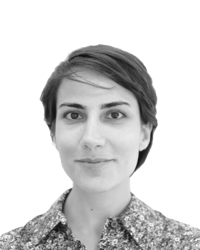
Gizem Koç
Lawyer, Emissions Reductions

Anaïs Rivalier
Global Communications Manager

Helen James
Global Head of Communications

Emily Frost
Digital Communications Manager


