
Maria Włoskowicz
9th July 2026


9th July 2026
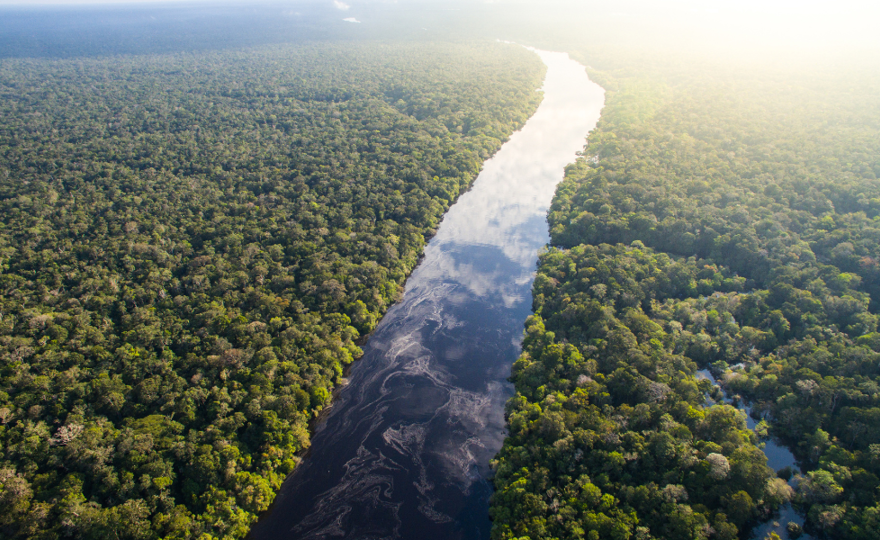
Europe’s rivers are broken up by around 1.2 million artificial barriers – weirs, sills, culverts and dams – and many of them are obsolete and no longer serve any purpose. A new ClientEarth report, “Free Rivers. How law can support the restoration of European rivers”, compares how three countries – Poland, Finland and France – use the law to bring their rivers back to life. The results could hardly be more different.
Between 2020 and 2024, France removed 383 barriers and Finland 173, while Poland removed just 10. The same continent, the same EU targets – and yet very different outcomes. The gap is not down to a lack of will, but to law and institutions. In Poland, for example, there is almost one artificial barrier for every kilometre of river – more than 80,000 in total – and removing one is often harder than building it.
Why does this matter to all of us? A river that can flow freely and spill out where it naturally would holds water in the landscape better, recharges groundwater and softens flood peaks. That is real protection for towns, farming and the people living in river valleys – against both drought and flooding. The EU Nature Restoration Regulation now requires member states to map their barriers and prioritise removing the obsolete ones, with a goal of restoring free flow to at least 25,000 km of rivers.
France and Finland show that a systemic approach genuinely works: a complete register of barriers, clear criteria for prioritisation, procedures for structures with no known owner, and funding available not only to central government but also to local authorities and civil-society organisations. These are the very tools Poland still lacks.
The “Free Rivers” report was written by Maria Włoskowicz, Suvi-Tuuli Puharinen (the Finnish section) and Coline Robert (the French section), and published by ClientEarth. The full report is available in the “Downloads” section.